
From Storage to Disposal: How Hazardous Waste Management Impacts Compliance and Claims
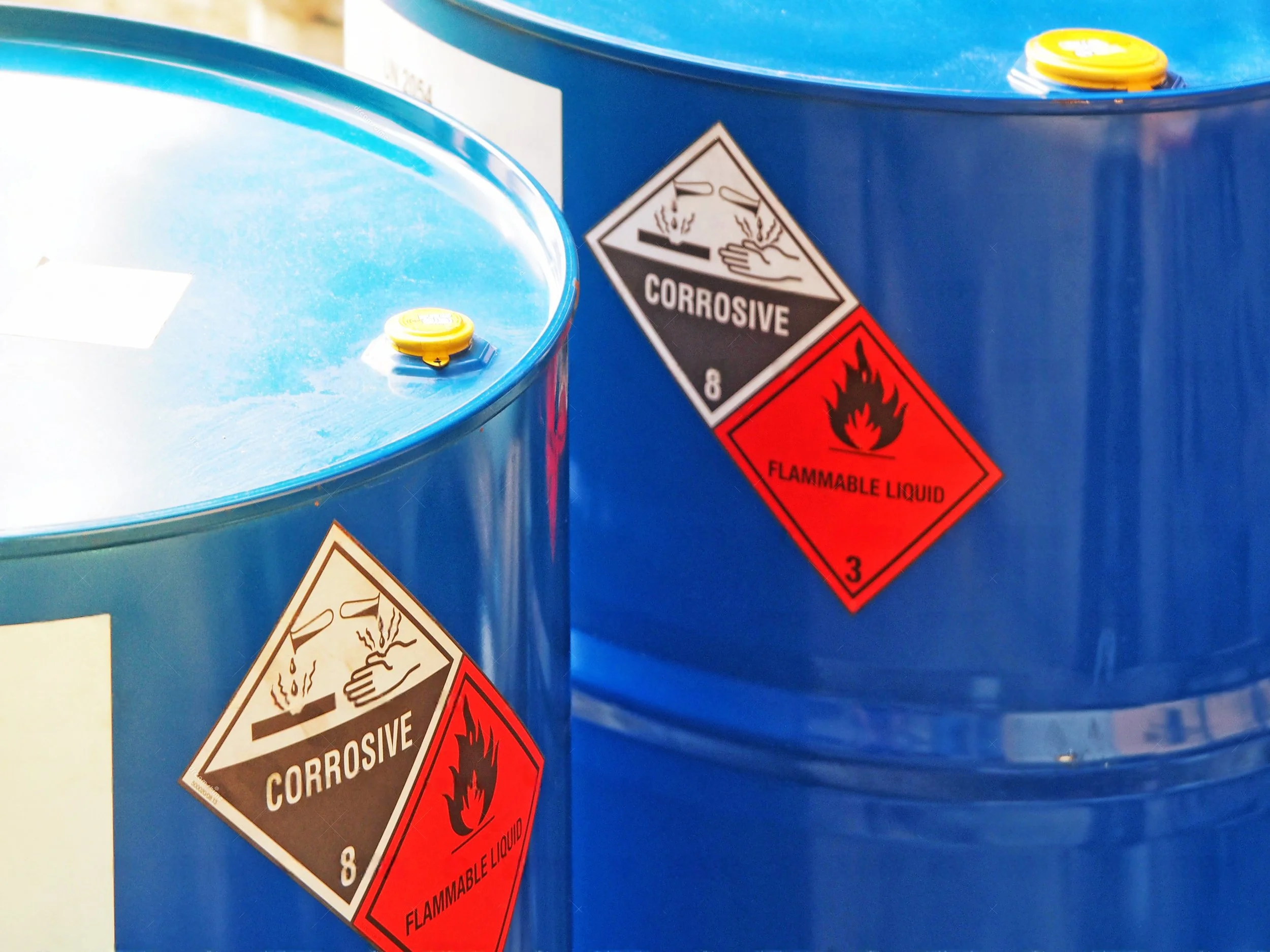
Hazardous waste management is a critical compliance and risk management issue for many organizations. Improper storage, labeling, handling, or disposal of hazardous materials can result in regulatory violations, environmental damage, employee exposure, and costly claims. Regulatory agencies closely scrutinize hazardous waste practices, and even small lapses can lead to significant penalties.
Effective hazardous waste management requires a clear understanding of regulatory requirements and consistent execution throughout the entire process—from generation and storage to transportation and disposal. Proper container selection, labeling, employee training, and documentation are essential controls that reduce the likelihood of incidents and non-compliance. When these controls are missing or inconsistently applied, the risk of spills, exposures, and enforcement actions increases.
From an insurance and risk perspective, hazardous waste incidents can drive both claim frequency and severity. Environmental claims, cleanup costs, and third-party liability exposures can quickly escalate. Organizations that implement strong hazardous waste management programs reduce regulatory risk, protect employees, and demonstrate responsible operational practices that support insurability and long-term risk stability.
