
Small Adjustments, Big Impact: Why Ergonomics Matter in the Workplace
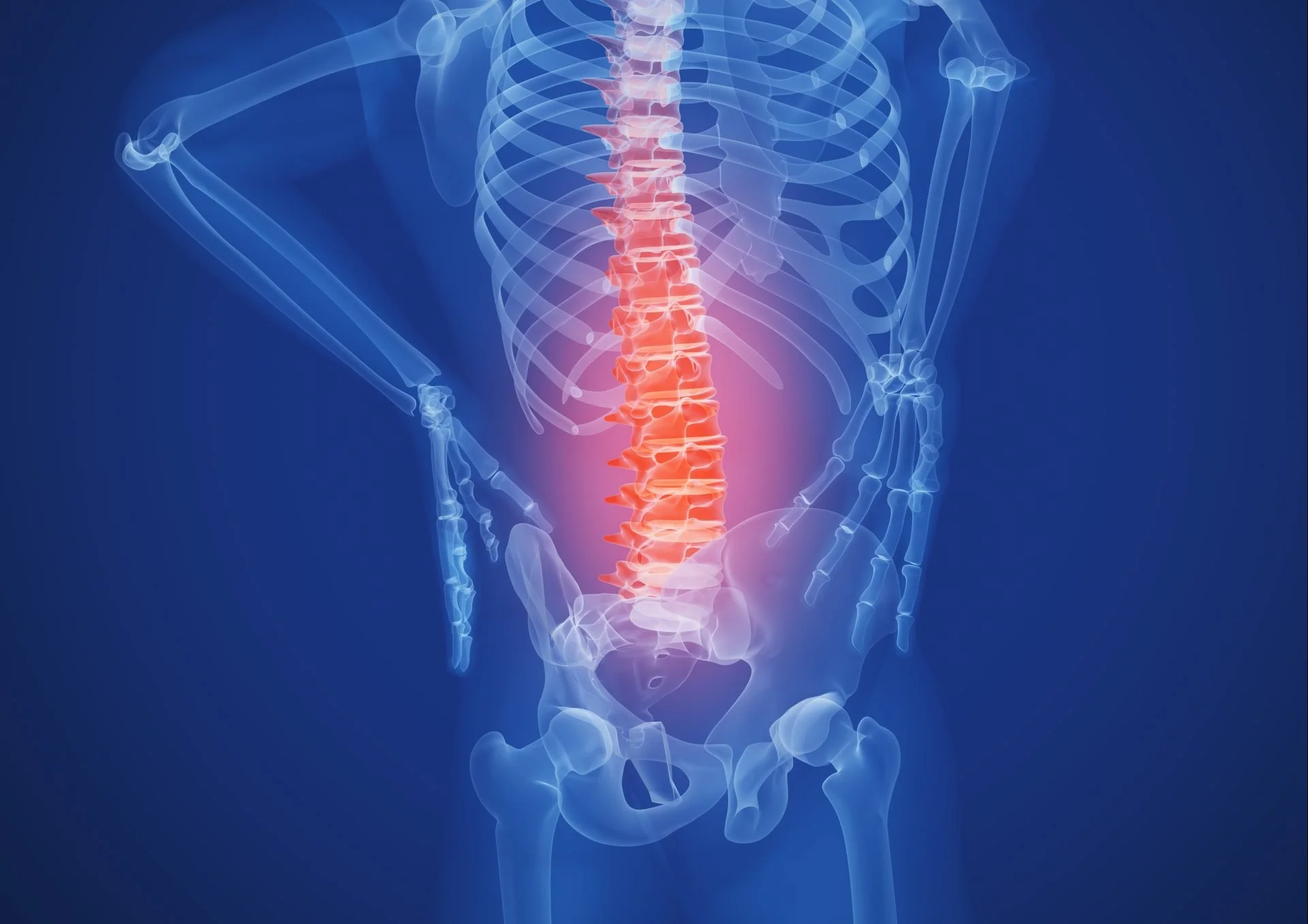
Ergonomics plays a critical role in reducing workplace injuries, improving productivity, and supporting long-term employee health. Poor workstation design, repetitive tasks, and awkward postures are common contributors to musculoskeletal disorders, which remain one of the leading causes of lost workdays and workers’ compensation claims. Addressing ergonomic risks early can significantly reduce strain-related injuries and associated costs.
Small ergonomic adjustments—such as proper workstation setup, task rotation, tool redesign, or employee training—can have a major impact on injury prevention. These changes often require minimal investment but deliver meaningful results by reducing fatigue, discomfort, and cumulative trauma. When employees are physically supported in their work environment, they are more likely to perform tasks safely and efficiently.
From a risk management perspective, proactive ergonomics demonstrates a commitment to employee well-being and loss prevention. Organizations that prioritize ergonomic assessments and improvements often experience fewer claims, lower absenteeism, and improved morale. Investing in ergonomics is not just about comfort—it is a strategic approach to protecting people and preventing loss.
